Collision Damage in Gladstone, OR: How to Choose a Trusted Auto Body Repair Shop
Collision Damage in Gladstone, OR: How to Choose a Trusted Auto Body Repair Shop
After a collision on McLoughlin Blvd or anywhere in the Gladstone area, the dents and scraped panels are obvious — but the real damage is often hiding underneath. A hard front or rear impact can push suspension components out of alignment, stress brake lines, and shake loose electrical connectors in ways a quick visual check will miss entirely. This guide walks you through exactly what to do next, what questions to ask before you hand over your keys, and why the shop you choose matters far more than most drivers realize.
What to Do Immediately After a Collision
Move to a safe location, document everything with photos, and get a written police report if any other vehicle or property was involved. These steps protect you legally and give a repair shop a clear picture of the impact direction and force.
Do not assume damage is only cosmetic because the car still drives. Structural hits can compromise crumple zones without making the vehicle undriveable — yet that same damage changes how the car absorbs the next impact. The longer you drive on a compromised frame or bent suspension component, the more wear spreads to tires, wheel bearings, and steering parts.
Schedule a thorough vehicle inspection service before committing to any repair plan. A full inspection gives you a baseline of every affected system, not just the panels that look damaged.
Why Collision Damage Is Almost Never Just Cosmetic
Visible dents represent only the outermost layer of what a collision transfers to your vehicle — the mechanical systems underneath absorb the remaining force, and they rarely show obvious signs of stress.
Suspension geometry is especially vulnerable. When a wheel takes a direct hit or the frame flexes, control arm angles shift. Even a small change — a few millimeters — causes uneven tire wear and pulls the steering off-center. Learning how to keep your car's shock absorbers in perfect condition explains how interconnected these components are; damage to one part of the suspension puts stress on every part around it.
Brake lines run close to the frame rails and wheel wells, which puts them directly in the path of impact energy during front or rear collisions. A line that looks intact can have a hairline crack that bleeds pressure gradually — the pedal feels slightly soft at first, then fails under hard braking. This is why a brake inspection after a collision is not optional.
Electrical harnesses follow similar routes through crumple zones. A short circuit can appear days after the collision when a chafed wire finally contacts bare metal. Modern vehicles rely on a CAN bus network where dozens of sensors communicate constantly; one damaged connector can trigger false warning lights across multiple systems, making the root cause hard to trace without dedicated diagnostic tools.
Questions to Ask Before You Drop Off Your Car
Asking the right questions upfront separates shops that fix only what is visible from those that find everything that needs attention. These are the ones that matter most.
- Do you inspect for mechanical damage, not just body damage? A body-only assessment misses suspension, brake, and electrical issues entirely.
- Is wheel alignment checked after every collision repair? It should be — even a minor impact can shift alignment specs outside the manufacturer's tolerance.
- Who handles electrical diagnostics if a fault code appears? Know whether the shop handles this in-house or sends the car elsewhere.
- Can I get a written, itemized estimate? Line-item estimates let you verify what is being fixed and why. Vague totals are a warning sign.
- What happens if hidden damage is found mid-repair? Good shops document new findings, show you the evidence, and get approval before proceeding.
The Case for One Shop Handling Body and Mechanical Work
When body repair and mechanical repair happen at separate locations, details fall through the cracks — most often alignment, brake condition, and electrical faults that only surface after the body work is already done.
A shop equipped to check both disciplines can catch a bent control arm during the same teardown used to access body panels, saving a second disassembly later. Under-hood systems benefit from the same logic: reviewing maximize performance with regular engine tune-ups shows how interconnected engine performance and vehicle health are — an impact that shifts the engine mount slightly can affect belt routing and sensor readings. An engine tune-up inspection after a collision also confirms whether ignition and fuel delivery components took any shock damage.
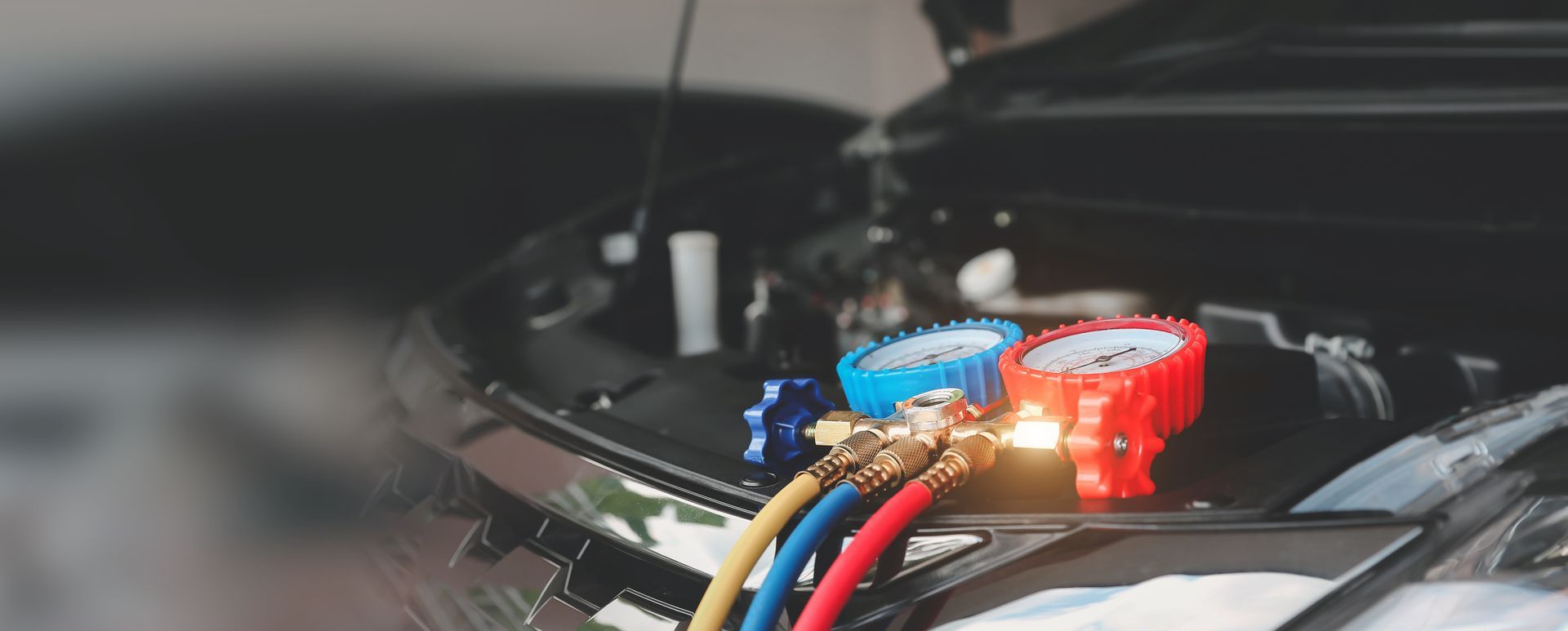
Air conditioning lines run through the front of the vehicle near the condenser, making them a common casualty in front-end collisions. A shop that also handles air conditioning service can confirm the system is intact before you drive away, rather than discovering a refrigerant leak two weeks later in July heat.
What Gladstone Drivers on McLoughlin Blvd Should Expect From a Collision Intake
Oregon's wet winters and stop-and-go traffic on McLoughlin Blvd mean collision repair shops in Gladstone see everything from minor parking-lot impacts to high-speed freeway damage. Seasonally, wet roads reduce stopping distances and increase the likelihood that a rear-end collision carries more force than it would on dry pavement — which raises the probability of hidden suspension and brake damage even in crashes that look minor.
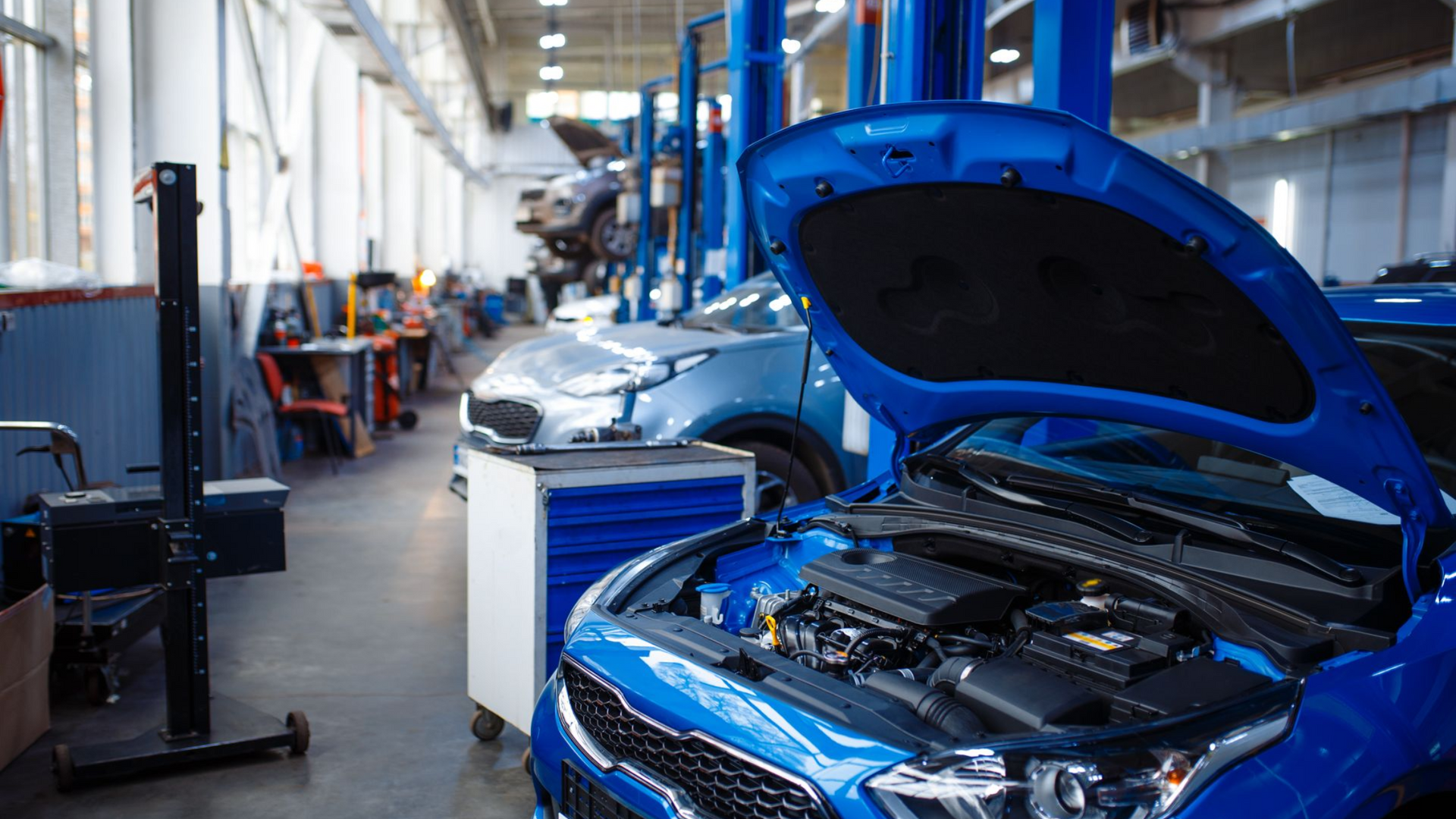
A thorough collision intake in this area should include a visual inspection of the frame and unibody, a suspension geometry check, brake hardware inspection, and an electrical diagnostic scan. If the shop skips any of these steps before giving you an estimate, that is a concrete sign the estimate will miss something important.
Common Questions About Collision Repair
What should I do right after a collision? Move to safety, document the damage with photos, file a police report if needed, and schedule a full inspection before driving the vehicle further than necessary.
How do I judge a body shop's estimate? Look for itemized line items that name specific parts and labor operations. Ask whether mechanical systems were inspected, not just body panels. A low estimate that skips those checks will likely grow once teardown reveals what the visual missed.
How long does collision repair take? Minor repairs typically take two to five days. Moderate damage — frame or suspension involvement — runs one to two weeks. Severe structural damage can take three to four weeks or longer, especially if parts availability is limited or additional mechanical damage is found during disassembly.
Can one shop handle both body and mechanical problems? Yes, and it is the more reliable approach. Fragmented repair — one shop for body work, another for mechanical — creates gaps in accountability, particularly for suspension geometry and post-impact electrical faults that cross both disciplines.
Finding a shop that handles collision bodywork alongside suspension, brakes, electrical diagnostics, and under-hood checks means every system damaged in the impact gets addressed in a single repair process, so nothing is missed between handoffs.
Schedule your post-collision inspection with PDX Cars Trucks Service to get a complete, itemized assessment of both the body and the mechanical systems underneath.